


The first cold days have arrived – the air is drier, the wind is sharper, and central heating is doing its work.
Many people are currently experiencing that the skin becomes rough, tightens, or even starts to tingle. This does not always mean that the cream is not suitable – This is often a sign of a compromised or fatigued skin barrier.
The skin protection barrier is like protective shield of leatherwhich retains moisture within the skin and simultaneously repels external irritants – wind, cold, air pollution and microbes.
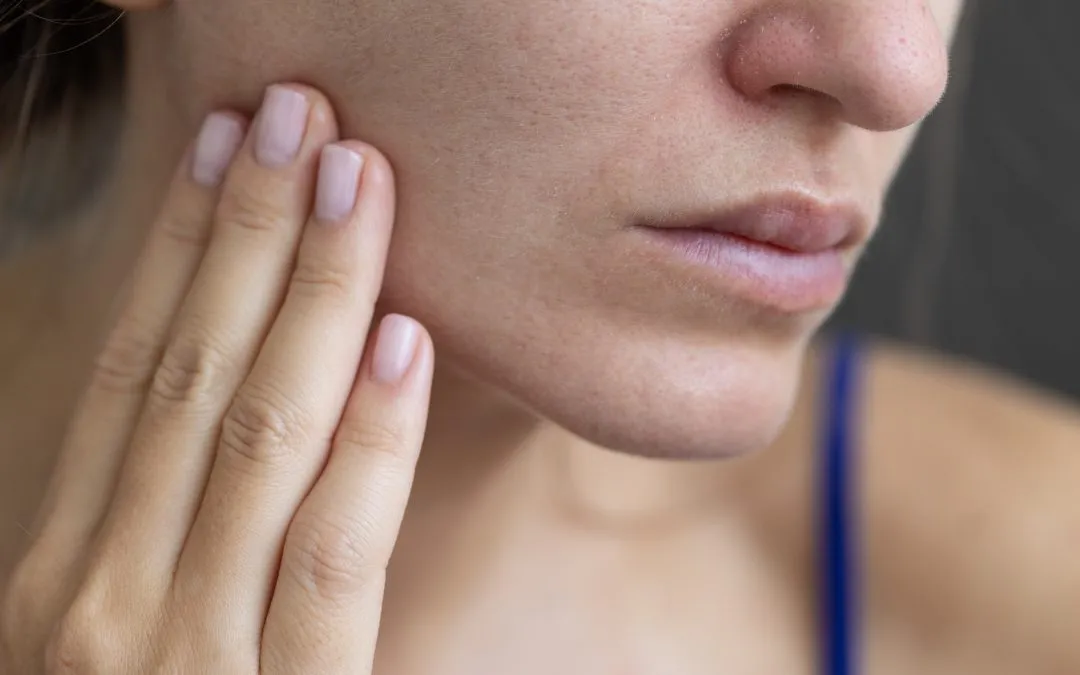
What is the skin protection barrier?
It consists of three main components: cells (keratinocytes), lipids (ceramides, cholesterol, fatty acids), and moisture-retaining molecules (such as urea and amino acids).
If this ‘protective barrier’ is healthy, the skin appears soft, even, and calm.
However, if it becomes thinner or begins to ‘leak’, the skin loses moisture and becomes sensitive – resulting in dryness, redness, and irritation that can be triggered even by a regular moisturizer at this point.
In medical terms, this phenomenon is called trans-epidermal water loss – This means that the skin is no longer able to retain moisture in its natural way.
Such a situation is very common during the autumn-winter period when temperatures fluctuate and humidity is low.
2023 Annual Review in the Journal Dermatology and Therapy stresses that A compromised skin barrier is a common trigger for many inflammatory skin conditions – including eczema, rosacea, and perioral dermatitis.
Restoring the barrier is not just a cosmetic goal in this case – it is restoring skin health because a healthy barrier reduces the risk of inflammation and supports the balance of the skin microbiome.
How do you know if your skin barrier is damaged?
Skin barrier damage doesn’t happen overnight — if you notice the first signs of irritation, your skin has likely been under stress for some time.
Here are the signs that your skin’s protective barrier may be compromised:
Physical markings:
-
Skin looks Tight, rough or scaly, even after creaming.
-
The face is red or irritated spots, especially on the cheeks and around the mouth.
-
Skin can sting or flush after using normal products.
-
Skin structure appears uneven, dull skin.
Sensitivity and reactions:
-
Even gentle cleansers cause discomfort or tingling.
-
New skincare products no longer work – the skin seems to react to everything.
-
Feel like no lotion moisturizes enough or the effect disappears quickly.
Common associated problems:
-
Repeated redness and tingling cold or after taking a shower.
-
Split skin around your mouth or nose.
-
Acne, rosacea or perioral dermatitis may flare up.
Damage to the skin barrier is not just an aesthetic problem that we notice in terms of appearance; in fact, it is a sign that the skin can no longer protect itself and needs recovery.
In this state of skin, it is not the right time to use retinol, acids, or strong vitamin C – on the contrary, the skin needs irrigation and soothing ingredients, not ‘active’ substances.
Why is the skin barrier damaged?
The skin’s protective barrier is thin but incredibly complex. It reacts quickly to everything you do—both what you apply to your skin and how you live.
If one link in this system is weakened, sensitivity, dryness, and inflammation begin to appear.
I highlight the most common reasons why the skin’s protective barrier can be damaged
1. Excess cleaning and strong tools
If the skin ‘crunches’ after washing, this is a sign that the cleansing is too strong.
Surfactants (such as SLS and alcohol) remove not only dirt but also the skin’s own protective oils and moisture.
➡️ Example: Wash your face twice in a row until your skin feels completely ‘cleansed’ – in reality, you’ve also removed its natural protective barrier. However, it’s worth noting that double cleansing is necessary for certain skin types or skin conditions. If you’re unsure about your skin type, consult a specialist or dermatologist.
2. Acids, retinol and too fast a routine change
Acids (AHA, BHA) and retinoids are excellent active ingredients, but if combined or used too frequently, they can cause excessive skin renewal.
➡️ Example: Added a chemical exfoliant, vitamin C, and retinoid to their routine in a week – now even a moisturizer tingles.
Research has confirmed that excessive exfoliation leads to lipid loss and increased transepidermal water loss, meaning the skin can no longer retain moisture. Therefore, when using various active ingredients and acids, it should be done consciously – what, how much, and when.
3. Cold, wind and dry air
In autumn and winter, the skin works under double stress – cold and dry air outdoors, and dry central heating indoors.
Such temperature contrast reduces the skin’s moisture content and again disrupts the lipid barrier.
➡️ Example: After a walk outdoors, you may feel the skin ‘tightens’ or turns red – this is a common sign of stress on the skin’s protective barrier.
5. Wrong or excessive maintenance
Too much maintenance can also be bad maintenance.
If you use too many different serums, creams, and toners, their ingredients may start to neutralize or irritate each other.
➡️ Example: you use several different ‘good’ products every morning and evening, but your skin is rougher than before despite this.
6. Stress and lifestyle
Long-term stress increases cortisol levels, which impairs the skin’s ability to restore lipids and collagen.
Sleep deprivation and poor nutrition can also slow down cell renewal.
➡️ Example: A busy work period, little sleep, and a lot of coffee can make the skin dull and more prone to irritation than usual.
7. Medical conditions
Disruption of the skin barrier is also characteristic of many skin diseases – for example Atopic dermatitis, rosacea and perioral dermatitis.
In such cases, the skin needs not only gentle care but also professional guidance and sometimes medical intervention.
How to restore the skin barrier?
If the skin’s protective barrier is damaged, it does not need more products but the right steps.
The goal is not to actively treat the skin immediately, but to give it time and support so that it can recover on its own.
Skin recovery always starts with the basics: proper cleansing, moisturizing, protection, and a break from aggressive active ingredients. I’ve created a useful SOS skin barrier restoration table for this.
Skin protection barrier SOS – what to do and what to avoid
| What do you do | Why does it work | To avoid | Why it makes the situation worse |
|---|---|---|---|
| Use a gentle, soap-free cleanser | Maintains the skin’s natural pH and does not remove the protective lipid layer | Heavy foaming or alcoholic products | Drying and damaging skin surface structure |
| Add a moisturizing toner or serum to your routine (hyaluronic acid, glycerin, betaine) | Pulls water into the upper layers of the skin and strengthens the moisture balance | Acid toners, retinol or peeling products | They can irritate and increase sensitivity. |
| Use a lipid-rich, non-comedogenic cream (containing ceramides, squalane, panthenol, cholesterol, niacinamide) | These ingredients help restore the structure of the skin’s protective barrier, improve elasticity, and soothe irritation. | Creams containing comedogenic or irritating substances such as lanolin, coconut oil, mineral oils, fragrances, and essential oils | These may clog pores, deepen inflammation, and hinder skin regeneration. |
| Protect the skin during the day with SPF 30-50 cream | UV radiation damages the barrier and exacerbates dryness | Avoid sun protection in autumn and winter | UV radiation also affects cloudy weather and prevents recovery |
| Create a “holiday period” of active substances | Gives your skin a chance to recover on its own | Simultaneous use of several active serums | The skin cannot rest and the barrier remains under constant stress |
| Boost nutrition and drink enough water | Omega-3 and antioxidants support cellular regeneration | Excess caffeine and sugar | Reduces skin moisture and increases inflammation |
If the skin’s protective barrier is severely compromised, recovery can also be supported with professional and gentle aesthetic procedures. These do not irritate the skin but help restore the balance of moisture, lipids, and microflora.
Aesthetic procedures that help restore the skin’s protective barrier:
- Moisturizing and restoring biorevitalization (with hyaluronic acid): restores the skin’s moisture level and improves elasticity.
- LED light therapy: Reduces inflammation, soothes, and accelerates cell regeneration.
- IPL photonomination with low energy: helps reduce redness and strengthens the capillary wall.
- iPRF (own blood injections): Activates the skin’s own regenerative capacity by improving microcirculation and collagen synthesis.
- Professional facial care in the clinic: The specialist selects products and procedures that support skin healing without causing irritation.
In conclusion:
Strong and healthy skin barrier is the first line of defense for the skin’s immune system – it helps retain moisture, prevent inflammation, and protect against external irritants.
Proper care means not only the use of cream, but restoring balance: less is often more.
If you are unsure about your skin’s condition or which ingredients to avoid, it is advisable to start with a gentle, hypoallergenic skincare routine. Consultation with an aesthetic medicine specialist or dermatologist. Contact us here
An individual approach helps determine whether your skin needs gentle care or professional support (e.g., LED light therapy, biorevitalisation, or iPRF).
Healthy skin is not accidental—it is consistent care, informed choices, and a restored protective barrier.
 Kadaka tee 42b, 12919 Tallinn II korrus
 E-R 09.00 — 17.00
 info@n8r.ee
 +372 59009272