

What is hyperhidrosis
Excessive sweating, or hyperhidrosis, is a condition where a person sweats much more than usual, even without heat or physical exertion. Sweating is the body’s normal cooling mechanism, but in hyperhidrosis, the sweating response is excessive. It can affect the entire body or be localized (most often palms, soles of the feet, armpits, sometimes the face).
Reasons for sweating
- Primary hyperhidrosis: Most of the time, there is no single underlying disease behind excessive sweating – in primary hyperhidrosis, the regulation of the nervous system is disrupted for unknown reasons. It often begins in adolescence and can be hereditary (genetic component).
- Secondary hyperhidrosis: Sometimes, other factors cause excessive sweating: for example, hormonal disorders (hyperthyroidism), certain medications, overweight, or menopause. In such cases, sweating is more general, and treating the underlying cause may improve the situation.
- Emotional stimuli: Stress and anxiety can exacerbate excessive sweating – in many people with hyperhidrosis, sweating worsens in stressful situations (e.g., public speaking, exams).
The Effects of Excessive Sweating on Daily Life
- Physical discomfort: Constantly wet armpits, slippery palms, or damp feet can interfere with daily activities. For example, it may be difficult to firmly shake hands or hold paper if your palms are sweaty.
- Psychological impact: Excessive sweating can cause embarrassment and anxiety in social situations. People may avoid handshakes, wear only certain colors (to make sweat stains less visible), and feel insecure.
Anti-sweating solutions
- Strong antiperspirants: First, you can try over-the-counter antiperspirants that contain high concentrations of aluminum salts. These work by temporarily blocking the ducts of the sweat glands. They are applied at night on dry skin (e.g., under the arms) for a while.
- Iontophoresis: In cases of excessive sweating on the palms and soles of the feet, iontophoresis – a mild electric current conducted through water in which the hands/feet are placed – can sometimes help. This procedure temporarily reduces the activity of the sweat glands.
- Medications: In severe cases, the doctor may prescribe oral medications (anticholinergic drugs) that reduce sweating. However, these have side effects (dry mouth, palpitations), so they are used in limited cases.
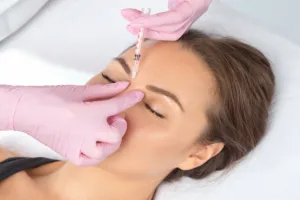
- Botulinum toxin injections: One effective solution with a local effect is Botox injections into problem areas, especially underarm sweating it responds well to botulinum toxin. Botulinum toxin blocks nerve impulses to the sweat glands, stopping sweating for about 4-6 months. The injections can be repeated a few times a year, and the results are quickly noticeable.
- Surgical solutions: In extreme cases (e.g., severe palmar sweating), sympathectomy is performed – a surgery that cuts certain nerve pathways regulating sweat glands. However, this is a last resort due to the risks involved and the potential for compensatory sweating in other areas of the body.
How to self-relief from hypertension
- Clothing and hygiene: Wear breathable clothing (cotton, technical sports materials) that wicks moisture away. Change socks frequently and use breathable footwear if your feet sweat. Regular washing and, if necessary, underarm shaving can reduce bacterial growth (which causes sweat odour).
- Stress management: Learn to manage stress better through relaxation techniques – this can also reduce sweating if emotions exacerbate it.
If excessive sweating disrupts your life and self-confidence, don’t suffer from this problem alone. Come for a consultation, Discussing solutions to excessive sweating – our specialists will help you choose the most suitable treatment, whether it be botulinum injections Or another effective method that brings back confidence in your life.
 Kadaka tee 42b, 12919 Tallinn II korrus
 E-R 09.00 — 17.00
 info@n8r.ee
 +372 59009272