

Characteristics of the skin
In oily skin, the sebaceous glands produce excessive sebum. This results in a shiny skin surface, especially in the T-zone (forehead, nose, chin), enlarged pores and a tendency to acne and blackheads. Makeup tends to “fade” or become shiny quickly on oily skin. Although oily skin remains youthful longer as it ages (wrinkles develop later), it is prone to acne and blackheads at a younger age. unclean skin often troublesome.
Why is the skin oily?
- Hormonal influence: Puberty and adolescence trigger an increase in hormones that stimulate the sebaceous glands. Hormonal changes later in life (e.g., before menstruation) can also temporarily increase sebum production.
- Genetics: Oily skin can be a hereditary trait – if parents have oily skin type, it is more likely that the child will too. This means that the sebaceous glands are genetically more active.
- Wrong maintenance: Paradoxically, overly drying skincare products can backfire by causing the skin to overproduce sebum as a compensatory mechanism. Thus, aggressive cleansing may actually exacerbate oily skin.
- Nutrition and stress: Some studies suggest that a diet with a high glycemic load (fast carbohydrates, sugar) may promote sebum production. Additionally, stress may affect hormones and thus the function of the sebaceous glands.
How to take care of your skin?
- Correct cleaning: Wash your face twice daily with a gel cleanser that removes excess sebum while being gentle (containing ingredients such as salicylic acid or tea tree oil, for example). Avoid toners with high alcohol content that may temporarily reduce sebum but cause excessive dryness.
- Irrigation: Oily skin still needs hydration. Use a lightweight, oil-free moisturizer (gel creams work well). This helps keep the skin balanced and can paradoxically reduce excess shine, as the skin doesn’t feel the need to compensate for dryness.
- Burming aids: During the day, you can keep shine under control with oil-absorbing papers (blotting paper) or a mattifying powder. These remove excess shine without clogging pores.
- Weekly maintenance: Apply a clay mask 1-2 times a week – clay absorbs sebum and deeply cleanses the pores. Regular gentle exfoliation (chemical or enzymatic) can also help prevent clogging.
Professional Solutions for Skin Care
- Dermatological advice: If excessive oiliness leads to persistent acne, a dermatologist may recommend treatments such as topical retinoids (which regulate skin cell renewal and sebum production), or in more severe cases, a low-dose isotretinoin course to reduce sebum production.
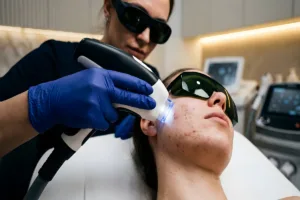
- Clinical care: Chemical peels with salicylic or glycolic acid reduce sebum and keep pores clean. HydraFacial and other medical-grade cleansing treatments also extract sebum and dirt from pores, leaving the skin cleaner and less oily.
What to avoid with oily skin
- Excess makeup: Using a thick layer of makeup to control shine can clog pores. Use a lighter, non-comedogenic makeup.
- Tough peelers every day: Exfoliating with a gritty scrub every day irritates the skin. Gentle exfoliation once or twice a week is sufficient.
If you constantly struggle with oily skin and pimples, there are solutions available. Book a consultationTo receive personalized recommendations for managing oily skin – we will help you achieve a clearer and more matte complexion while maintaining the health of your skin.
 Kadaka tee 42b, 12919 Tallinn II korrus
 E-R 09.00 — 17.00
 info@n8r.ee
 +372 59009272