

What acne
Acne is a skin condition characterized by pimples, comedones (blackheads and whiteheads) and sometimes deeper pustules or cysts. Acne most commonly occurs on the face but can also appear on the back, chest and other areas with many sebaceous glands. Acne occurs when hair follicles become clogged with sebum and dead skin cells and the bacterium *Propionibacterium acnes* proliferates.
Causes and contributing factors
- Hormones: Hormones (testosterone) that become active during adolescence stimulate sebaceous glands to produce more sebum, which is the main reason why acne develops during puberty. Hormonal fluctuations during the menstrual cycle or during pregnancy/menopause can also trigger acne.
- Sebaceous gland activity: Genetics play a role—some people naturally have oilier skin. Excess sebum combined with slow skin cell shedding leads to clogged pores. Result: blackheads (open comedones) and whiteheads (closed comedones).
- Bacteria and inflammation: When a pore becomes clogged, it creates an ideal environment for bacterial proliferation. This triggers inflammation, which manifests as a red and painful pimple.
- Lifestyle: Stress, lack of sleep and an unhealthy diet (in some cases, excessive dairy or sugar consumption can exacerbate acne) are factors that can influence the course of acne. Inappropriate cosmetics (comedogenic products) can also clog pores.
Acne treatment and solutions
- Daily skin care: The right cleansing routine is important. Wash your face twice a day with a gentle cleanser designed for acne-prone skin (containing salicylic acid or benzoyl peroxide). Do not pick or squeeze pimples—this can lead to scarring and worsening inflammation.
- Treatment creams: For mild acne, over-the-counter gels/creams with benzoyl peroxide or salicylic acid can help. For more severe acne, a dermatologist prescribes retinoid creams (tretinoin, adapalene), antibiotic solutions, or azelaic acid. These help reduce clogging and inflammation.
- Oral treatment: In more severe cases, the dermatologist may prescribe antibiotics (to reduce inflammation) or isotretinoin capsules. Acne treatment Isotretinoin is highly effective at reducing sebaceous gland activity, but this is done under medical supervision due to potential side effects.
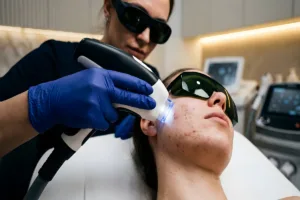
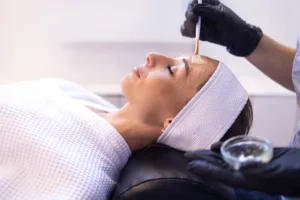
- Aesthetic procedures: Clinical treatments can help control acne: chemical peels (such as those with glycolic or salicylic acid) exfoliate the skin and unclog pores, blue light therapy can kill acne bacteria, and photodynamic therapy reduces both sebum production and inflammation.
Acne prevention and skin care
- Non-comedogenic cosmetics: Choose makeup and skincare products that are labeled as non-comedogenic. Always remove makeup thoroughly in the evening.
- Healthy lifestyle: Try to keep stress under control, get enough sleep and eat a balanced diet. Although the relationship between diet and acne is individual, eating a diet rich in vegetables and fruits and drinking enough water is generally good for the skin.
- Continuity: Acne does not disappear overnight. Continue treatment and care even when the skin begins to heal – this will prevent the formation of new lesions. Regular follow-up with a dermatologist will help keep the treatment on track.
You don’t have to fight acne alone. Book an appointment at our clinic IPL for acne or For chemical peelingTo receive professional advice and create an effective treatment plan.
 Kadaka tee 42b, 12919 Tallinn II korrus
 E-R 09.00 — 17.00
 info@n8r.ee
 +372 59009272