

What is cellulite
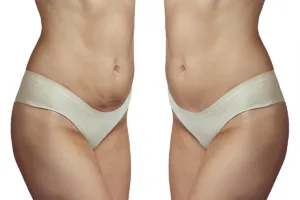
Cellulite is an uneven and lumpy accumulation of subcutaneous fat that gives the skin a characteristic pitted and dimpled appearance – also known colloquially as ‘Orange peel leather’Cellulitis is most commonly found on the thighs, buttocks, hips, and abdomen. This condition is very common among women (affecting over 80-90% of women to some degree), regardless of body weight.
Why does cellulite develop?
- Structural reasons: Women’s connective tissue has a column-like structure instead of a mesh-like one, which allows fat cells to bulge out more easily. When fat cells enlarge or connective tissue fibers (septa) become stiff, this creates bumps and dimples on the skin surface.
- Hormones and genetics: Estrogen plays a role in the development of cellulite – puberty, pregnancy, and menopause can trigger or worsen cellulite. Genetic predisposition determines the strength of someone’s connective tissue and where the body stores fat, so some people are more prone to cellulite.
- Lifestyle: Although cellulite can also occur in slim individuals, excess weight and poor muscle tone can make it more noticeable. Additionally, poor circulation, lack of exercise, and an unhealthy diet (excessive sugar, processed foods) can worsen the condition.
Methods to reduce cellulite
- Nutrition and exercise: Reducing body weight (if overweight) and improving muscle tone can make cellulite less noticeable. Regular cardio exercise burns fat and strength training increases muscle, tightening the underlying skin tissue.
- Massage and lymphatic repair: Professional cellulite or lymphatic massage helps reduce swelling and improve blood circulation in problem areas. Methods such as endermology (device-assisted vacuum massage) temporarily smooth the skin and may improve the appearance of cellulite with long-term use.
- Creams and gels: There are creams on the market containing caffeine, retinol, or other ingredients that are claimed to reduce cellulite. Their effect is usually modest and temporary – caffeine may slightly tighten the skin and retinol improve skin texture, but they do not significantly alter the structure of the connective tissue.
- Apparatic procedures: In aesthetic medicine, there are several treatments:
- Radio frequency and laser treatment: They warm the subcutaneous tissue, improving blood circulation and softening the connective tissue bonds to make the fat pads smoother. They also stimulate collagen, tightening the skin.
- Shockwave therapy: Acoustic waves help break down fat cells and improve microcirculation, which can smooth the surface of cellulite.
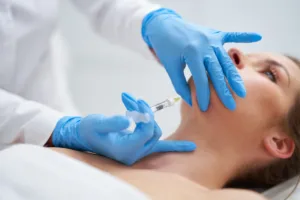
- Carboxytherapy: CO2 gas injection under the skin improves blood circulation and may support fat-dissolving processes, reducing the appearance of cellulite.
- Mesotherapy: Injecting fat-dissolving and blood circulation-enhancing cocktails under the skin may also reduce cellulite clusters.
- Surgical solutions: There are also more invasive methods (e.g., subcision, where the fibrous attachments of cellulite are cut through with a special needle) or even liposuction combined with the release of the subcutaneous connective tissue. These are more suitable for severe cases.
Cellulite prevention and care
- Permanent maintenance: Cellulite has no miracle cure; it often requires a consistent and multifaceted approach. Regular exercise, a balanced diet, and adequate hydration form the foundation. Additionally, consistent, moderate massage and skin-toning creams can help maintain the skin in better condition.
- Keep blood circulation active: Avoid prolonged sitting or standing in one position – movement keeps the blood and lymph flow going. A contrast shower (alternating warm and cool water) on the legs can also slightly improve tone.
If cellulite is causing you concern and you’d like smoother skin, our specialists can help you choose the most suitable treatment.
Make an appointment carboxy or lipolysis for injections – We will work together to make your skin and shape smoother and improve your well-being.
 Kadaka tee 42b, 12919 Tallinn II korrus
 E-R 09.00 — 17.00
 info@n8r.ee
 +372 59009272