
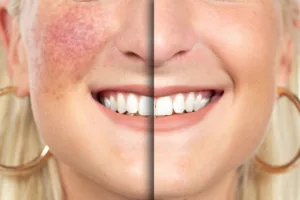
Calming reddish skin: Reducing redness focuses on how to alleviate the redness that has already occurred and prevent its worsening. Whether the redness is caused by sensitive skin, rosacea or just temporary irritation – the right care and lifestyle can help keep the redness under control.
Daily skin care for sensitive skin
- Gentle products: Choose skincare products designed for sensitive, red skin. These do not contain alcohol, fragrances, or other irritants. Cleanse your face with lukewarm water and a gentle cleanser; avoid vigorous rubbing with a towel, instead pat dry.
- Soothing ingredients: Use serums and creams containing ingredients that reduce redness – for example, niacinamide strengthens the skin barrier, bisabolol and chamomile soothe inflammation, aloe and panthenol relieve irritation. Oat milk and green tea extracts are also known for reducing redness.
- Irrigation: Well-hydrated skin is stronger and less reactive. Apply a moisturizing cream that locks in moisture and keeps the skin’s protective barrier healthy in the morning and evening.
Quick steps to relieve redness
- Cold compress: If your face has suddenly turned red (for example after exercise or a hot shower), a cold, damp cloth on your face can help narrow the blood vessels and reduce redness faster.
- A soothing mask: In case of irritation, apply a soothing mask to the skin – for example, a cooling gel mask or a homemade mask with chilled cucumber slices. These will reduce the feeling of heat and redness.
- Color correction: Cosmetically, redness can be concealed with a green-toned primer or foundation. The green tone neutralizes red and visually evens out the complexion.
The role of lifestyle and nutrition
- Food and redness: Some foods and beverages (spicy food, caffeine, alcohol) dilate blood vessels and increase redness. Try to monitor whether any of these affect your skin and limit their consumption.
- Stress mitigation: Emotional stress can trigger flare-ups of redness (for example, in the case of rosacea). Regular relaxation, yoga, or meditation can help reduce stress and thus also skin reactions.
- Food supplements: Some people find relief from antioxidants and anti-inflammatory supplements (such as omega-3 fatty acids and vitamin D), which may reduce skin inflammation and reactivity.
Professional solutions for red skin
- Dermatological advice: If home remedies do not help, it is advisable to consult a dermatologist. Treatment for rosacea, allergy tests, or other medical interventions may be necessary.
- Clinical procedures: Laser and IPL treatments that close dilated blood vessels are among the most effective methods for reducing long-term redness (as previously mentioned for rosacea and capillaries). Chemical peels with lactic or mandelic acid can help remove thin superficial layers that contain inflammatory foci, improving skin tone.
With red skin, you do not have to be alone in seeking help. Contact our clinic – We will create a personalized plan to reduce redness so your skin is calm and even-toned again.
 Kadaka tee 42b, 12919 Tallinn II korrus
 E-R 09.00 — 17.00
 info@n8r.ee
 +372 59009272