

Polynucleotides
Polynucleotides are naturally occurring substances composed of DNA fragments. They help hydrate the skin deeply and stimulate cell renewal. They are increasingly used to reduce signs of ageing, improve the quality of thin and sun-damaged skin, rejuvenate the eye area and improve scars and other skin damage.
But what exactly are polynucleotides? Where do they come from, how do they work, and are injectable products more effective than skincare products containing polynucleotides? This article provides a science-based overview of their effects and uses, as well as what you should know before choosing a treatment or product.
How do polynucleotides work?
Biorevitalisation based on polynucleotides is one of the newer developments in aesthetic medicine. It uses highly purified polynucleotides (PN) and polydeoxyribonucleotides (PDRN), usually derived from the DNA of salmon or trout reproductive cells. Owing to their favourable safety profile and ability to support the skin’s natural repair processes, they are increasingly used to improve skin quality and reduce signs of ageing.
Polynucleotides have several mechanisms of action:
1. Fibroblast stimulation
Fibroblasts produce collagen, elastin and hyaluronic acid. Polynucleotides activate fibroblasts, helping the skin become more elastic and resilient over time.
2. Reduced inflammation
Polynucleotides can help reduce chronic inflammation and redness that accelerate skin ageing.
3. Tissue repair
Microcirculation improves, wounds may heal faster and tissues recover more effectively.
4. Moisture binding
Like hyaluronic acid, polynucleotides can bind water and thereby improve the skin’s moisture content.
What are polynucleotides used for?
- improving skin quality
- helping prevent signs of skin ageing
- softening fine lines
- supporting thin skin
- improving the skin beneath the eyes
- reducing post-acne scars
- supporting scar treatment
- reducing redness
Injectable polynucleotide treatment
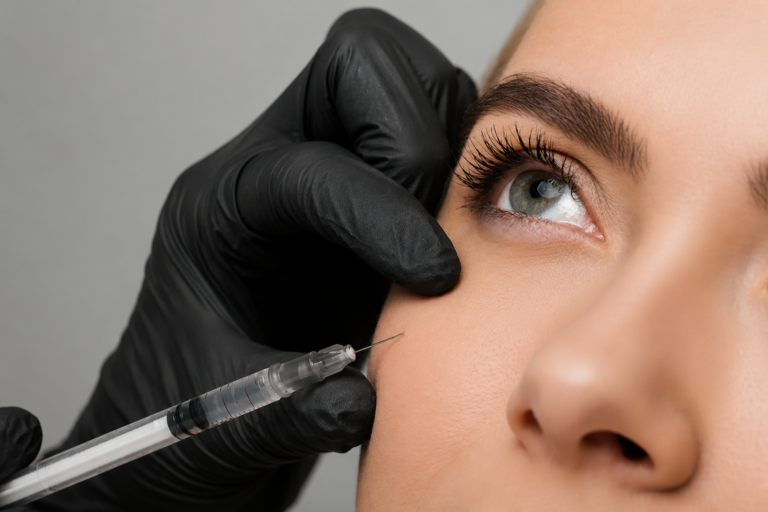
Injectable polynucleotide products are substantially more effective than cosmetic serums or creams. Polynucleotides promote skin-cell renewal and support the repair of damaged tissue. This helps restore the skin’s structure and elasticity. The product improves moisture balance by increasing hyaluronic acid production and restoring natural hydration, making the skin smoother and more supple. Polynucleotides also help reduce inflammation and protect skin cells from harmful environmental effects, which can slow skin ageing and support a long-lasting youthful appearance.
The treatment strengthens the skin, supports its natural renewal and stimulates collagen production, helping achieve a brighter, more elastic and youthful appearance. It can also suit sensitive, dry and damaged skin.
The first changes may be noticeable within a couple of weeks, and skin quality can continue to improve over the following weeks.
Mild swelling, redness and small papules may occur after treatment, but they usually subside within a few days. Normal daily activities can be resumed the same day.
Polynucleotides in skincare products
In addition to injectable products, polynucleotides are increasingly found in skincare products. It is important to understand, however, that the effect of topical products differs considerably from injectable preparations.
When choosing a product, look for ingredients listed as DNA Sodium, Sodium DNA, Hydrolysed DNA, PDRN (polydeoxyribonucleotide) or Polynucleotide (PN). The higher an active ingredient appears in the ingredient list, the greater its content generally is, although manufacturers usually do not disclose the precise concentration. Unlike many other active ingredients, no optimal concentration has been established for polynucleotides or PDRN that guarantees a specific clinical effect. A percentage alone therefore cannot tell us how effective a product will be.
For the best result, cosmetics containing polynucleotides should be viewed primarily as supportive skincare or used after aesthetic treatments according to a specialist’s recommendations. If the aim is to stimulate collagen production, improve elasticity or affect deeper layers of the skin, current scientific evidence indicates that injectable polynucleotides remain the most effective option.
Summary
Polynucleotides (PN) and polydeoxyribonucleotides (PDRN) are bioactive DNA fragments that have become increasingly popular in skincare and aesthetic medicine. Unlike fillers, they do not add volume to the skin. Instead, they support natural repair processes, stimulate fibroblast activity and promote collagen and elastin production. This can improve elasticity, hydration, texture and overall skin quality.
Current scientific literature provides the strongest support for injectable polynucleotides. Several clinical studies indicate that they can reduce signs of ageing, improve skin quality and support tissue repair. Results nevertheless depend on the patient’s individual characteristics, the condition of the skin, the product used and the treatment plan.
This article is based on a scientific publication. Read more about polynucleotides here:
 Kadaka tee 42b, 12919 Tallinn II korrus
 E-R 09.00 — 17.00
 info@n8r.ee
 +372 59009272