

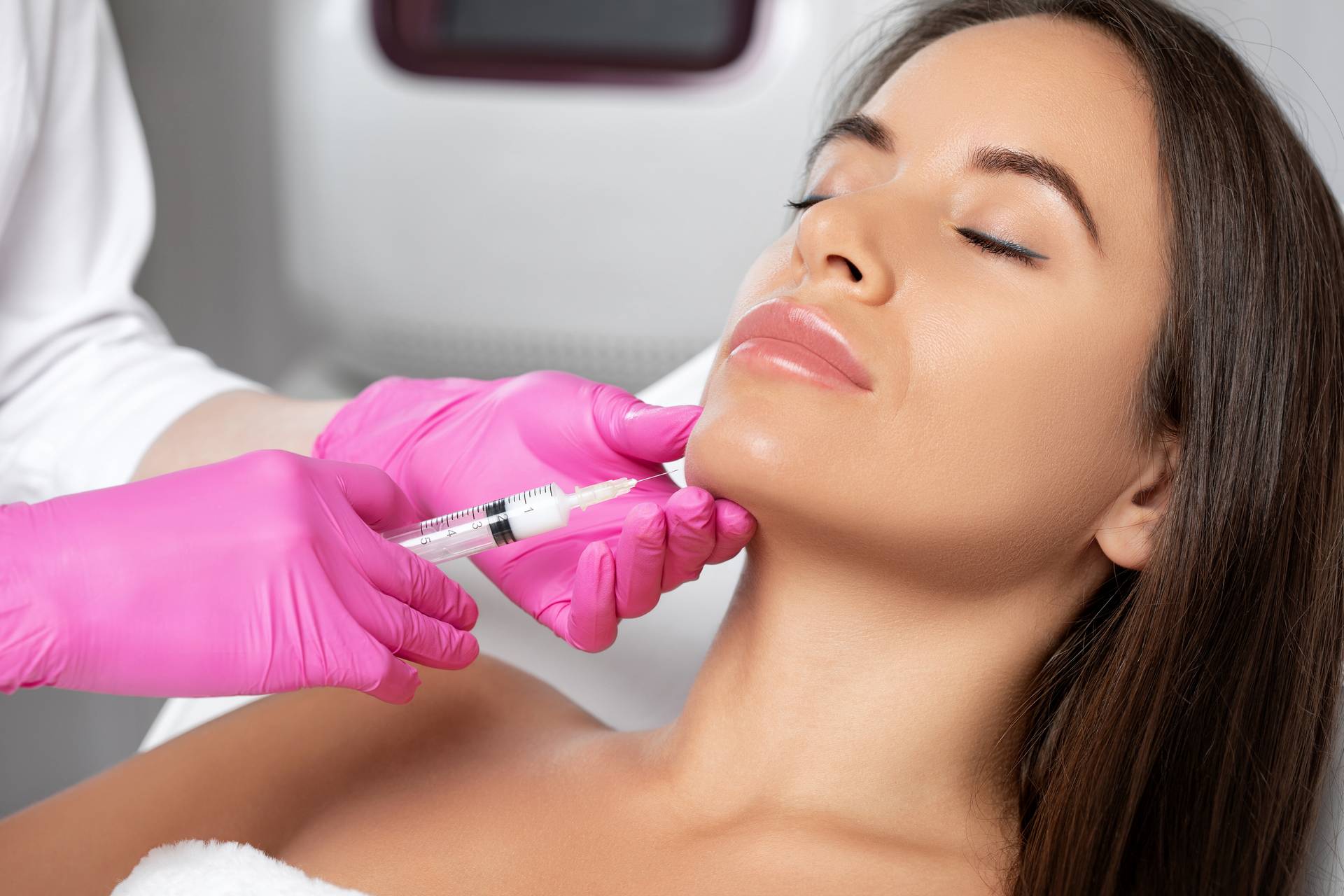
Botulinum toxin, commonly known as Botox, is used for a variety of purposes. Aesthetic medicine nurse Agve Kask explains some of the most common myths that have developed around the treatment.
I have noticed that some people think Botox is only for older adults. Although many people begin having Botox treatments later in life, younger people also use it preventively to help avoid the formation of wrinkles. Botox is most effective for dynamic wrinkles caused by muscle movement, such as those on the forehead or around the eyes.
One of the most common myths I hear in my work is that Botox makes the face expressionless. Let me reassure you: when botulinum toxin injections are administered correctly and in moderation, a person retains a natural appearance and can still make facial expressions. Problems usually arise only when too much botulinum toxin is used or it is placed incorrectly.
Another myth I would like to dispel is that wrinkles become even deeper if you stop having Botox injections. In reality, when the effect of botulinum toxin wears off, your skin simply returns to its original appearance. Wrinkles do not become deeper than they were before Botox.
Although you may notice wrinkles and areas of concern while looking in the mirror at home, I always recommend consulting a qualified specialist with thorough knowledge of facial muscle anatomy.
To identify wrinkles and lines, try the following movements:
- Frown to see whether vertical lines appear between your eyebrows.
- Raise your eyebrows to see whether horizontal lines appear on your forehead.
- Smile broadly to see whether smile lines appear around your eyes.
These simple exercises help both you and me better understand which areas of your face might benefit from botulinum toxin treatment.
In my work, I often see botulinum toxin injections considered for aesthetic reasons when wrinkles appear due to facial muscle movement. Examples include vertical lines between the eyebrows, often called frown lines; smile lines around the eyes, or crow’s feet; and horizontal forehead lines. These are among the reasons the treatment has become so popular.
I recommend considering botulinum toxin primarily for dynamic wrinkles. These are wrinkles that appear with facial expressions and movement. If you notice lines forming when you make facial expressions, it may be a suitable option for you. It can also help with persistent wrinkles that remain visible when your face is relaxed.
I should point out, however, that Botox may be less effective for deep, persistent wrinkles that are not related to muscle activity. If a wrinkle is deep enough to concern you and is related to muscle activity, botulinum toxin can certainly soften it. Although Botox is a popular treatment for wrinkles, not every wrinkle is suitable for Botox treatment. It is also important to know that the results are temporary and the effect usually lasts three to six months.
I have noticed that some people think Botox is only for older adults. Although many people begin having Botox treatments later in life, younger people also use it preventively to help avoid the formation of wrinkles. Botox is most effective for dynamic wrinkles caused by muscle movement, such as those on the forehead or around the eyes.
Before treatment, I recommend avoiding blood-thinning agents and alcohol. They may increase the risk of bleeding, so it is advisable to avoid alcohol for at least 24 hours before the injections. Some supplements, such as vitamin E and fish oil, can also affect blood clotting. I also recommend avoiding tanning beds and intense sun exposure for a few days before treatment.
After treatment, I recommend avoiding intense exercise, aerobics and alcohol for the rest of the day. It is also wise to be cautious with heat. Avoid hot baths, saunas, hot showers and intense sun exposure for at least 72 hours. I also recommend taking a break from other facial treatments, usually for two weeks. The effect of botulinum toxin normally lasts three to six months. Some of my patients have the treatment once a year and others twice a year – it is very individual and depends on several factors.
Finally, I want to emphasise that Botox is a choice, not an obligation. It is one tool in our aesthetic toolkit that can help highlight and preserve natural beauty, but it is not the only way to feel confident and refreshed. As with every choice, making an informed decision is important. If you are considering Botox, make sure you are doing it for yourself and choose a trusted specialist who can help you achieve the desired result. As a nurse, I believe we all deserve to feel like the best version of ourselves, with or without Botox. Your face, your choice – my role is to ensure that choice is informed and safe.
 Kadaka tee 42b, 12919 Tallinn II korrus
 E-R 09.00 — 17.00
 info@n8r.ee
 +372 59009272