

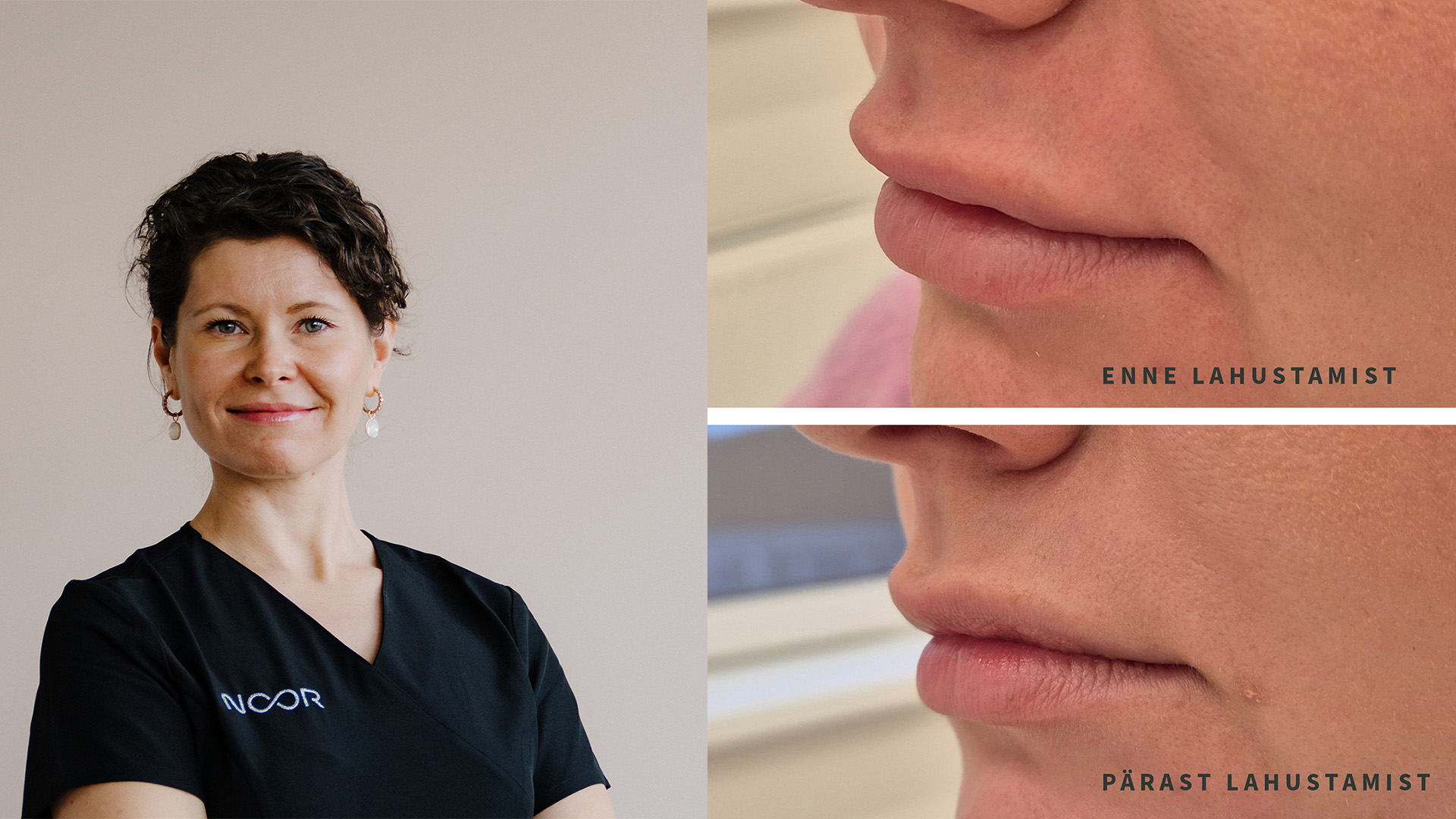
Dissolving dermal fillers with hyaluronidase — a safe and effective solution
The most commonly used dermal fillers contain hyaluronic acid, a naturally occurring substance known for its hydrating and volumising properties. Although fillers are very popular and effective, the result may sometimes fall short of expectations or unwanted side effects may occur. In these situations, modern medicine offers a practical and safe solution: hyaluronic acid filler can be dissolved with hyaluronidase.
What is hyaluronidase?
Hyaluronidase is an enzyme that breaks down the hyaluronic acid molecules used as the main ingredient in most dermal fillers. During a hyaluronidase treatment, the enzyme is injected directly beneath the skin in the area where the filler was placed. This dissolves and removes excess or unwanted hyaluronic acid filler.
Hyaluronidase is a naturally occurring substance that is also produced by the human body and has been used in medicine for decades. Aesthetic clinics use it because it can dissolve hyaluronic acid filler quickly and precisely, helping to make filler treatments safer. Hyaluronidase can also be used to treat certain complications following filler injections, such as vascular occlusion.
How are dermal fillers dissolved with hyaluronidase?
The treatment is quick and minimally invasive. Before treatment, we carry out a thorough consultation to determine whether dissolving the filler is necessary and whether the use of hyaluronidase is appropriate. Hyaluronidase is then injected directly into the area of concern.
The procedure is not completely painless, but the area can first be numbed with either a local anaesthetic injection or a numbing cream. Hyaluronidase begins to act quickly by breaking down the hyaluronic acid in the filler. The effect is usually visible within a few hours, although an additional treatment may sometimes be required to achieve the full result. The final result develops over two weeks, so new filler should not be injected into the same area before then.
When can hyaluronidase be used?
Hyaluronidase may be recommended in the following situations:
When the result of a filler treatment has become unnatural:
- the lips are too large or the product has migrated above the upper lip;
- swelling under the eyes persists for more than a month after an under-eye filler treatment;
- the filler appears bluish or grey beneath the eyes, known as the Tyndall effect.
Complications and side effects — if a filler causes an unexpected reaction, persistent swelling, redness or other unpleasant side effects, hyaluronidase may be used to remove the hyaluronic acid filler.
Is hyaluronidase safe?
Hyaluronidase injection is generally considered safe when carried out by a qualified professional with medical training. Side effects are uncommon but may include local reactions such as redness, swelling, bruising or mild tenderness in the treated area. These symptoms usually resolve within a few days.
Particular caution is required for people with a bee venom allergy. Hyaluronidase is a protein that is biologically similar to a component of bee venom. People with a bee venom allergy may therefore experience a serious reaction, including anaphylactic shock. Anaphylactic shock is a life-threatening condition that requires immediate medical attention.
It is therefore important to tell your practitioner about all known allergies and medical conditions before treatment. If you suspect that you may have a bee venom allergy, or have previously had an allergic reaction to a bee or other insect sting, consult your practitioner before hyaluronidase is used.
Hyaluronidase can only dissolve fillers that contain hyaluronic acid. It has no effect on other types of filler.
How should you choose an aesthetic clinic?
Hyaluronidase should be administered by an experienced, qualified professional specialising in aesthetic medicine. A reputable clinic always provides a thorough consultation to explain the benefits and risks of the treatment and determine whether it is appropriate for you.
Summary
Dissolving hyaluronic acid filler with hyaluronidase is a quick and effective way to address an unwanted result. If you have had an unsatisfactory filler experience or would like to remove previously injected hyaluronic acid filler, hyaluronidase may be the solution you are looking for. Consult your practitioner for more information and an assessment of your individual situation.
Kristel Kaur
Aesthetic medicine nurse
Your guide to beauty
 Kadaka tee 42b, 12919 Tallinn II korrus
 E-R 09.00 — 17.00
 info@n8r.ee
 +372 59009272