

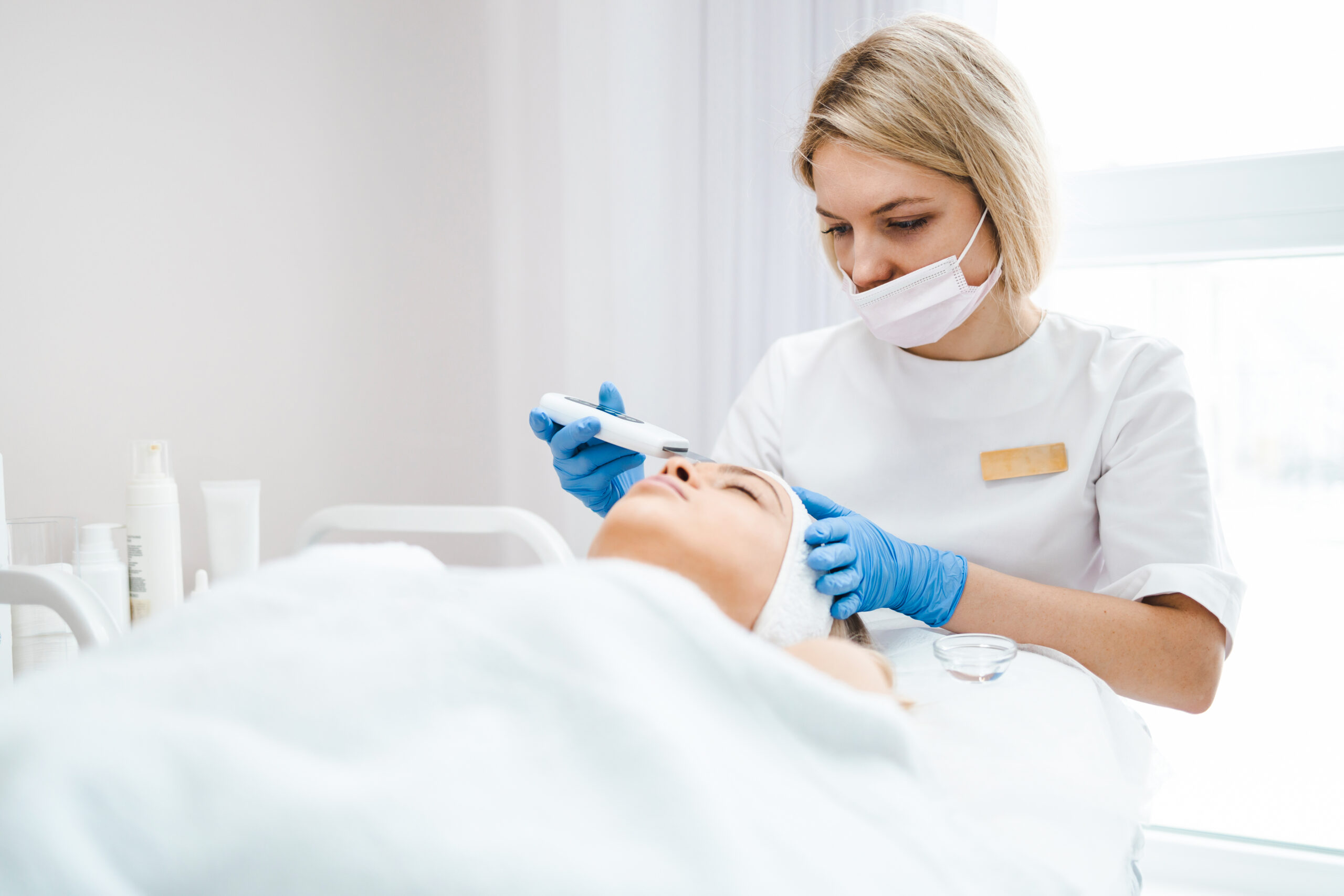
Exercise benefits our overall health in many ways, but its positive effects are not limited to the muscles or cardiovascular system. One less frequently discussed yet equally important benefit concerns the health and appearance of our skin. When we exercise, circulation increases: the heart pumps blood faster to supply working muscles with the oxygen and nutrients they need. This process benefits not only the muscles but skin cells too. Aesthetic medicine nurse and midwife Agve Kask shares three reasons exercise is good for your skin.
1. Improved circulation
Improved circulation delivers more oxygen and essential nutrients to the skin. These vital components nourish the skin from within, helping it remain supple, smooth and radiant. Oxygen plays a central role in cell renewal, which replaces dead skin cells with new, healthy ones. This natural renewal process helps the skin look fresh and youthful.
During exercise, not only does the flow of oxygen and nutrients to skin cells increase, but cell renewal is stimulated too. This means that the skin can repair minor damage and renew itself more quickly, helping to prevent premature signs of ageing such as fine lines and wrinkles. Faster cell renewal can also reduce the effect of inflammatory processes on the skin, helping to prevent acne and other skin concerns.
Better circulation has a positive effect on the skin’s ability to resist signs of ageing. Wrinkles and a dull complexion are often associated with reduced blood flow, which slows the transport of nutrients and oxygen to skin cells. Regular physical activity helps ensure that the skin receives enough oxygen and nutrients, keeping it healthy and slowing the ageing process. Exercise is a powerful way to help skin remain youthful, supple and radiant for longer.
2. Hormonal balance
Exercise affects our bodies on many levels, including the way our internal hormones regulate and influence different bodily functions. One important but less frequently discussed aspect is how exercise affects hormonal balance and, in turn, the health and appearance of the skin.
Hormones, including oestrogen and testosterone, play a central role in skin health. Oestrogen, one of the main female sex hormones, helps maintain the skin’s moisture level and elasticity, while testosterone, a male sex hormone, can increase oiliness and contribute to acne. An imbalance in these hormones may therefore affect the skin’s appearance and health.
Regular physical activity is known to be an effective way to reduce cortisol levels and improve overall hormonal balance. Exercise reduces stress and the associated level of cortisol. Lower cortisol can benefit the skin in several ways. It may reduce inflammation linked to acne and other skin concerns and help maintain the skin’s health and appearance. Improved hormonal balance may also help slow the ageing process by keeping the skin supple and reducing the formation of wrinkles.
With regular exercise, we may also notice positive changes in our skin: it can feel more supple and hydrated and appear more even in tone. These changes are partly due to improved hormonal balance, one of the many beneficial effects of exercise. Exercise should therefore form part of the daily routine of anyone who wants not only to improve physical fitness, but also to preserve the skin’s youthful appearance and reduce visible signs of ageing.


2. Hormonal balance
Exercise affects our bodies on many levels, including the way our internal hormones regulate and influence different bodily functions. One important but less frequently discussed aspect is how exercise affects hormonal balance and, in turn, the health and appearance of the skin.
Hormones, including oestrogen and testosterone, play a central role in skin health. Oestrogen, one of the main female sex hormones, helps maintain the skin’s moisture level and elasticity, while testosterone, a male sex hormone, can increase oiliness and contribute to acne. An imbalance in these hormones may therefore affect the skin’s appearance and health.
Regular physical activity is known to be an effective way to reduce cortisol levels and improve overall hormonal balance. Exercise reduces stress and the associated level of cortisol. Lower cortisol can benefit the skin in several ways. It may reduce inflammation linked to acne and other skin concerns and help maintain the skin’s health and appearance. Improved hormonal balance may also help slow the ageing process by keeping the skin supple and reducing the formation of wrinkles.
With regular exercise, we may also notice positive changes in our skin: it can feel more supple and hydrated and appear more even in tone. These changes are partly due to improved hormonal balance, one of the many beneficial effects of exercise. Exercise should therefore form part of the daily routine of anyone who wants not only to improve physical fitness, but also to preserve the skin’s youthful appearance and reduce visible signs of ageing.
3. Strengthening the deeper layer of the skin
Skin elasticity and thickness are two important factors that affect its appearance, health and ability to resist signs of ageing such as wrinkles and sagging. The skin is principally divided into two layers: the epidermis, or outer layer, and the dermis, the deeper layer. The dermis is particularly important because it contains collagen and elastin fibres that give the skin strength and elasticity.
Although research on this topic remains limited, some scientific studies have found that regular moderate exercise may increase the thickness of the dermis. This means that physical activity may help make the deeper layer of the skin thicker, stronger and more resilient. A thicker dermis is beneficial because it provides more space for collagen and elastin fibres, which are essential to the skin’s elasticity and strength.
As we age, collagen production slows and the quality of elastin fibres declines. The skin may therefore become less supple and thinner, encouraging wrinkles and sagging. Thickening of the dermis through exercise may help counter these signs of ageing by supporting the skin’s natural structure and function. It may help the skin retain a youthful appearance for longer by reducing the depth of wrinkles and helping to prevent sagging.
Those are three reasons exercise is good for your skin. If you are wondering how to care for your skin and keep it youthful and full of vitality for as long as possible, regular physical activity can be an important part of your skincare routine. Alongside topical skincare and a healthy diet, exercise may improve the skin’s resilience to ageing, offering another way to care for it from the inside out.
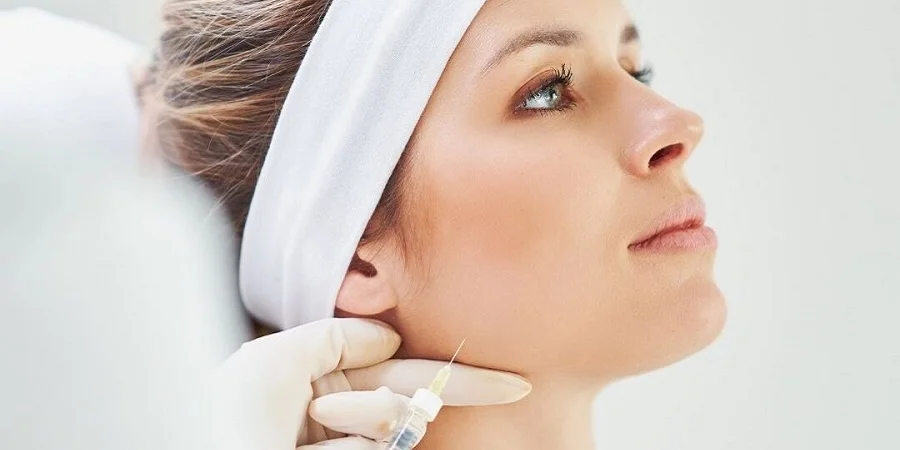
How should you care for your skin?
Here are a few tips for caring for your facial skin before, during and after exercise.
Before exercise
- Cleanse your face. Cleansing before exercise may seem unimportant, but this simple step matters for your skin. During exercise, perspiration increases to help cool the body. Make-up or dirt accumulated during the day can contribute to blocked pores and skin concerns. Gentle cleansing removes these obstacles and allows the skin to function optimally during your workout.
- Apply sunscreen. If you exercise outdoors, especially during the day, sunscreen is essential. UV radiation can cause premature skin ageing and pigmentation and increase the risk of skin cancer. Broad-spectrum sunscreen protects against both UVA and UVB radiation, helping preserve the skin’s health and youthful appearance.
During exercise
- Avoid touching your face. Try not to touch your face with unwashed hands during exercise, as this can transfer bacteria and dirt to the skin.
- Wipe away sweat gently. Use a clean towel or tissue to pat sweat from your face rather than rubbing or scratching your skin.
After exercise
- Cleanse your face promptly. After exercise, gently cleanse your face to remove sweat and dirt. This helps prevent blocked pores and skin concerns.
- Moisturise your skin. Exercise and showering can dry the skin, so moisturising is important. Choose a moisturiser suited to your skin type to keep it hydrated and soft.
Your skin reflects your body and how you care for yourself both inside and out. Through a balanced diet, a thoughtful skincare routine and especially regular exercise, you give your skin what it needs to preserve its vitality, elasticity and youthful appearance. Exercise not only supports skin health; it can also be a powerful way to slow the natural ageing process.
Let your skin show its radiance and take pride in how you care for your body and skin. Your commitment to a healthy lifestyle and regular physical activity will be reflected in your skin’s glow, youthful appearance and overall wellbeing. Make exercise part of your daily life and give yourself the gift of healthier, more youthful-looking skin for longer.
 Kadaka tee 42b, 12919 Tallinn II korrus
 E-R 09.00 — 17.00
 info@n8r.ee
 +372 59009272